EPN has a new strategic plan in which it envisions to on meeting the needs of members, especially the needs of those members that are in the bottom 25% in terms of the capacity and performance of their pharmaceutical systems. Implementing the Access project is among the strategies of ensuring that the vision is met.
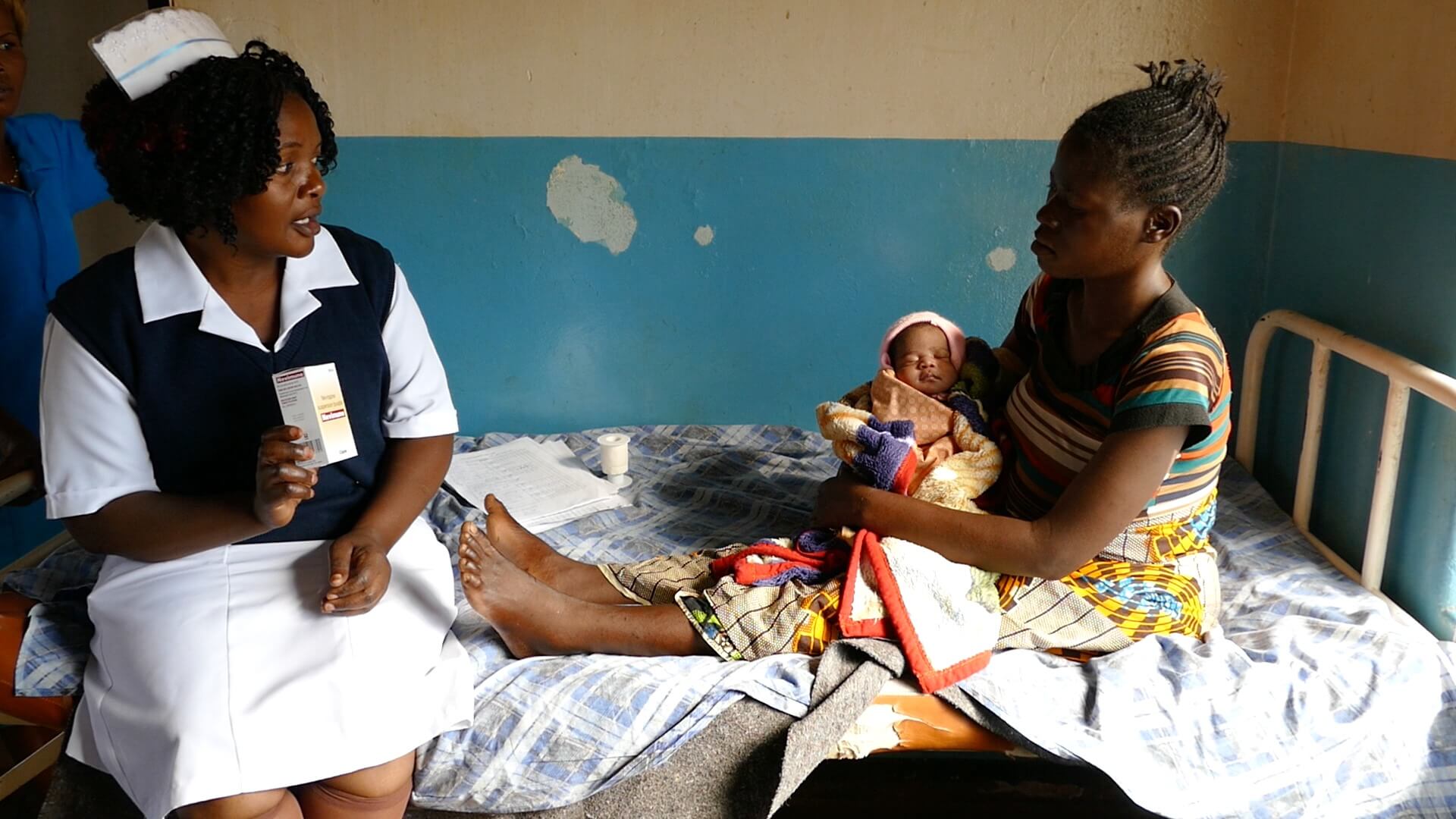
Through this project, EPN aimed to support health facilities in the focus countries to provide their patients more effective pharmaceutical services, responding in particular to non-communicable diseases (diabetes), infectious diseases (HIV) and mother and child health through improved access to quality-assured essential medicines and appropriate use to maximize outcomes.
Implementation regions: Kenya, Lesotho, Cameroon, Tanzania and Zambia
Implementing partners:
- Christian Health Association of Kenya (CHAK)
- Christian Health Association of Zambia (CHAZ)
- Cameroon Baptist Convention Health Services (CBCHS)
- Christian Health Association of Lesotho (CHALe)
- Christian Social Services Commission (CSSC)
Project Activities Implemented
Over the course of the project, a comprehensive set of activities was implemented across 20 health facilities to strengthen Infection Prevention and Control (IPC), Antimicrobial Resistance (AMR), and Drug and Therapeutics Committees (DTC)
Selection of Project Health Facilities and Baseline assessment
Health facilities were selected based on the need for pharmaceutical services, focusing on those without pharmacy personnel or with limited trained staff. This approach ensur
ed support was directed where gaps were most critical. A baseline assessment was then conducted. This identified key weaknesses in pharmaceutical services, allowing data-driven decisions to direct support where it was most needed.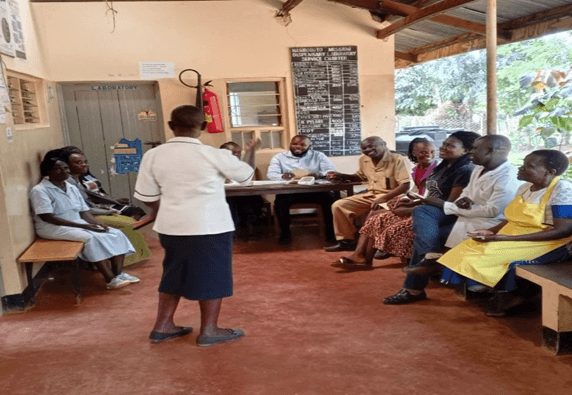
Identification of champions, healthcare committees and online training
Healthcare workers from 20 health facilities were identified to lead the initiatives in Infection Prevention & Control (IPC), Antimicrobial Resistance (AMR), and Drug & Therapeutics Committees (DTCs). IPC, AMR, and DTC committees were assessed in the 20 facilities per country for their existence and functionality using the EPN Health Facility Committee Mapping Tool. Twenty three (23) IPC, AMR, and DTC committees were newly formed or reactivated. Regular meetings were also initiated to foster collaboration and accountability in infection control and medicine use.
With this, 82 champions were registered on the E PN e-learning platform to take courses on trained:
a). Medicines supply chain management
b). Infection prevention and control
c). Antimicrobial stewardship
d). Prevention of antimicrobial resistance
Additional training covered leadership, governance, pharmacovigilance, rational medicine use, healthcare systems, and COVID-19 management. They received coaching and ongoing supervision, which helped build leadership capacity at the facility level.
Over 93% of these personnel completed at least one course. Ongoing virtual support ensured participants remained engaged and applied their knowledge practically.
Monitoring Availability of Priority Medicines:
Annual assessments of 14 essential medicines were conducted in 10 facilities involved in the baseline study. This ensured continued availability of life-saving medicines and supported evidence-based stock management.
Supervisory visits of health facilities:
On-site visits were conducted by the project team and EPN officers. These engagements revitalized committee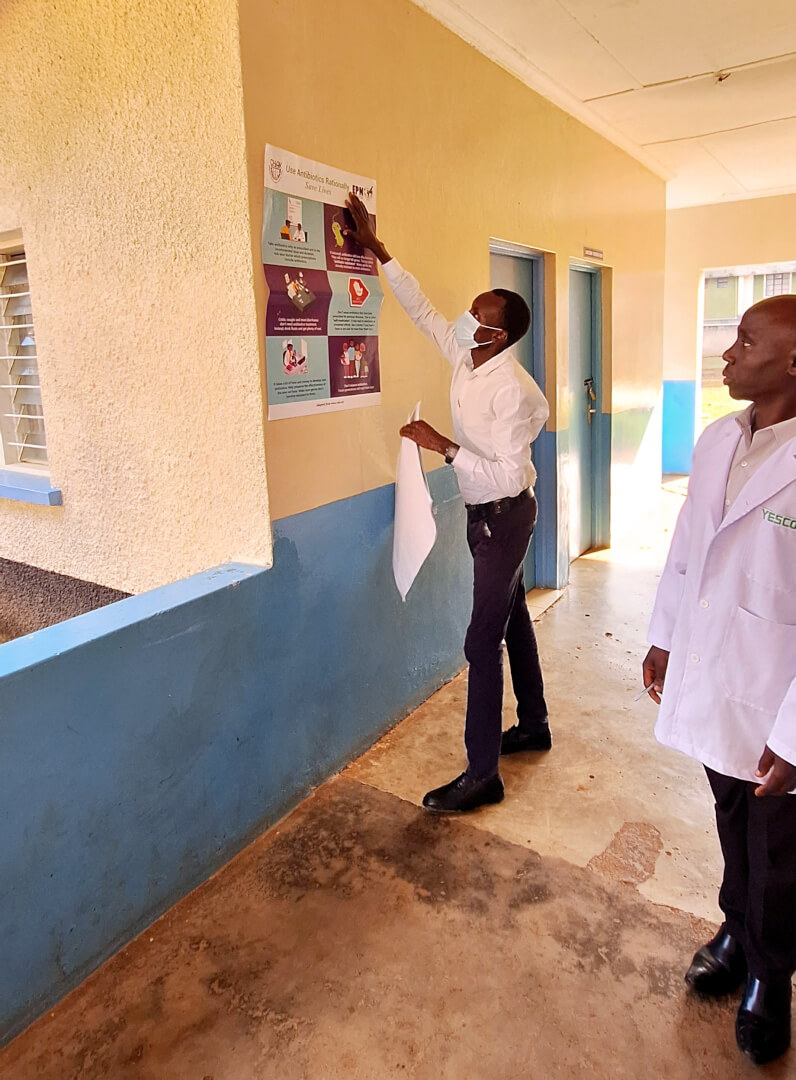 e efforts and strengthened relationships with facility management.
Distribution of IEC Materials and Guidelines:
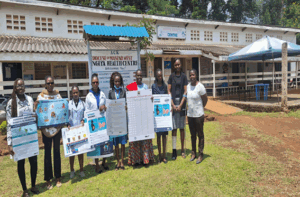
High-quality educational materials and guidelines were printed and delivered to all 20 health facilities. Key documents were distributed included:
- a). Prescription Assessment Tool
- b). Committee Guidelines
- c). Visual Inspection Chart
- d). IEC materials on AMR awareness, good dispensing practices, and more.
These resources are now visibly displayed across departments, reinforcing IPC and pharmaceutical best practices.
HIV/AIDS Literacy Session with Religious Leaders:
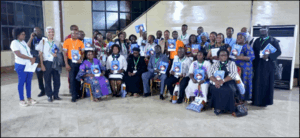
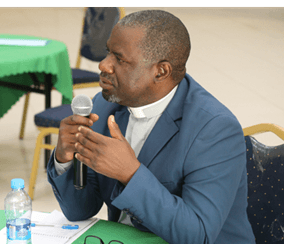
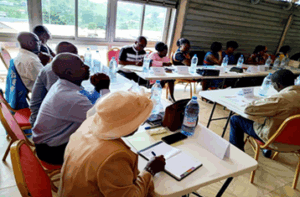
EPN facilitated dialogues with religious leaders on treatment literacy to enhance understanding of HIV/AIDS treatment, rational drug use, and reduce stigma. The sessions were guided by an HIV Treatment Literacy Guide developed in collaboration with INERELA+ Kenya. Participants pledged to serve as advocates for HIV awareness and compassionate care in their faith networks.
Strategic Partnership Development
EPN, All Africa Conference of Churches (AACC) and Africa Christian Health Associations Platform (ACHAP) established a joint advocacy platform to amplify the voice of church health systems in global health issues. This collaboration, formalized through an MOU, strengthens collective advocacy efforts.
Achievements at a glance:
Healthcare Worker Training and Capacity Building
- 381 healthcare workers trained through EPN’s online platform (54% were women)
- 30% increase in knowledge among trained participants
- 175 action plans submitted by trained champions
Committee Establishment and Functionality
- 236 functional committees established across all facilities
- IPC Committees now in 98% of facilities (up from 84% at baseline)
- AMS Committee quarterly meetings increased by 283% (from 6 to 23 facilities)
Infection Prevention and Control (IPC) Improvements
- Compliance with key guidelines increased by an average of 45%
- IPC guideline availability significantly improved:
- i. Catheter-Associated Infections guidelines: 73% (up from 42%)
- ii. Multidrug-Resistant Pathogen guidelines: 71% (up from 47%)
- Improved IPC reporting:
- i. Reporting to Public Health Agencies: 86% (up from 71%)
- ii. Facilities taking action on reports: 91% (up from 78%)
- Enhanced waste segregation and WASH activities across all 5 countries
- More handwashing points installed (e.g., ACK Syongila Dispensary in Kenya installed 2 new stations)
- Increased color-coded bins added in labs and injection rooms for safer waste disposal
- Core IPC indicators developed by committees in Kenya for monitoring critical services
Antimicrobial Stewardship (AMS) and AMR Awareness
- Antibiotic use surveillance increased to 51% (up from 29%)
- AMR National Action Plan awareness increased to 82% (up from 58%)
- Dosing issues reduced by 62.5% at Etoug-Ebe Baptist Hospital, Cameroon (from 40% in 2022 to 15% in 2023)
- Medicine use assessments nearly doubled: from 19 facilities (2021) to 35 facilities (2024)
- Key tools developed:
- Antimicrobial Prescription Chart (St. Francis Mission Hospital, Zambia)
- Pharmaceutical Waste Disposal SOPs (Maluti Adventist Hospital, Lesotho)
Supply Chain and Financial Management
- 21% increase in adherence to inventory and supply management compared to baseline
- Reduced stockouts: facilities experiencing frequent stockouts decreased from 79% to 72%
- Improved procurement planning:
- i. Approved procurement plans: 80% (up from 65%)
- ii. Plans incorporated into budgets: 80% (up from 63%)
- Availability Monitoring Tool (AMT) developed and expanded from 14 to 44 essential medicines
- Average availability of medical products increased to 48% across all countries from baseline
Information, Education, and Communication (IEC) Materials
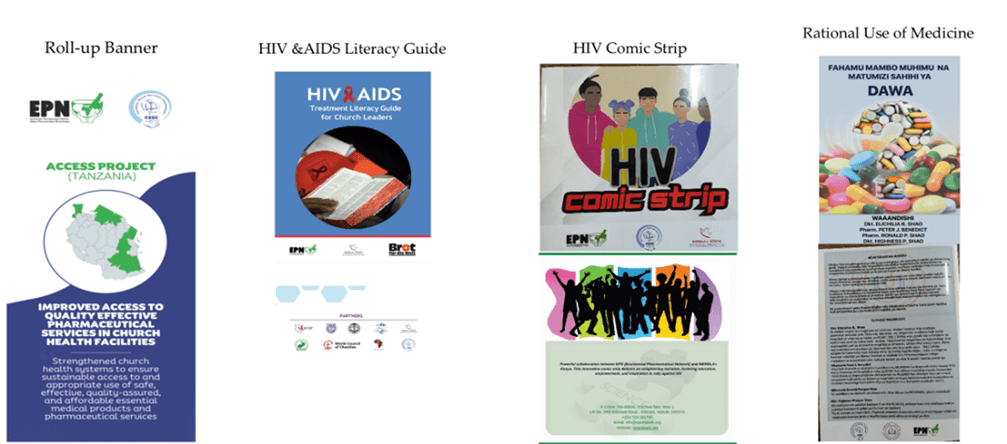
- HIV & AIDS Treatment Literacy Guide for Church Leaders developed in collaboration with INERELA Kenya
- HIV comic strips for adolescent audiences created
- Kiswahili-language book on rational drug use developed by CSSC in Tanzania in collaboration with KCMC
- Multiple IEC materials developed and disseminated:
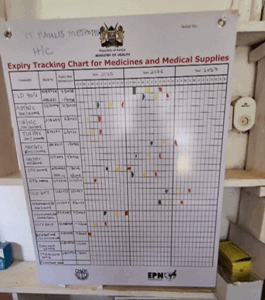
- i. Expiry tracking chart
- ii. Good inventory management practices
- iii. Medication use counselling checklist
- iv. Guidelines for proper storage
- v. Good storage practices for health commodities
- vi. Good record keeping practices
- vii. Roll-up banners for the project
- viii. Prescription Assessment Tool
- ix. Committee Guidelines
- x. Visual Inspection Chart and Checklist
Religious Leaders Empowerment
-
- 132 religious leaders empowered across all project countries
- HIV literacy guide disseminated through dialogue sessions with religious leaders
- Enhanced understanding of HIV/AIDS treatment and rational drug use among religious leaders
- Reduced stigma through targeted education and advocacy
Strategic Partnerships and Advocacy Platforms
- Advocacy platform with ACHAP and AACC developed and formalized through Memorandum of Understanding (MoU)
- At least 3 joint webinars conducted through the ACHAP-AACC collaboration
- Technical task force established to develop and track joint 2025 activity plan
- MoU formally signed reinforcing commitment to continued collaboration
Strengthened Collaboration with Regulatory Authorities
- Enhanced partnership with Tanzania Pharmacy Council in Dodoma for CPD accreditation, training integration, and pharmaceutical workforce capacity improvement
- Strengthened partnership with Zambia Medicines Regulatory Authority (ZAMRA) for:
-
- i. Training health workers in antimicrobial resistance
- ii. Pharmacovigilance training
- iii. Strengthening pharmacy standards in CHAZ-affiliated facilities
New Strategic Partnerships
- MOUs signed with two strategic partners:
- i. East Central and Southern Africa Health Community (ECSAHC)
- ii. Actions des Jeunes Contre la Résistance aux Antimicrobiens (AJRAM)
- Partnerships aim to amplify AMR response through collaborative efforts in: Technical assistance, Capacity building, Resource mobilization, Joint research and surveys, Policy advocacy, Conferences/forums
Overall Impact
- Meaningful progress in strengthening pharmaceutical services within faith-based health systems across five implementing countries
- Strong foundation established for sustained improvement in pharmaceutical services and faith-based health systems across the region
- Enhanced capacity of implementing partners including proper data interpretation
- Robust impact demonstrated across capacity building, resource development, community engagement, and strategic partnerships
- Growing influence and reach reflected in CSO position paper development and network expansion
- Contribution to universal health coverage through resilient, faith-based health systems integration into broader national and regional health strategies
