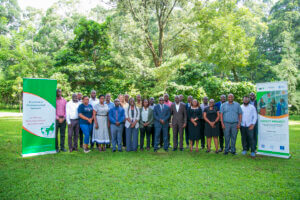
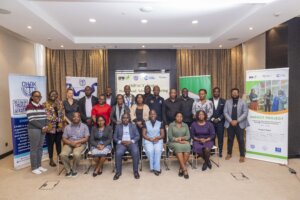
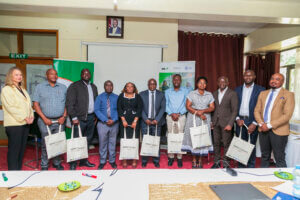
Access to quality-assured medicines and pharmaceutical care remains a critical component of achieving Universal Health Coverage. While training healthcare workers is essential, sustainable improvements in pharmaceutical services also require supportive policies, strong partnerships, and coordinated action across health systems. To advance these efforts, the Improving Pharmaceutical Access through Continuous Training (IMPACT) Project recently convened policy and advocacy meetings in Nairobi and Kakamega, Kenya, bringing together policymakers, regulators, faith-based health organizations, and development partners from across the region.
The IMPACT Project, supported by action medeor and the German Federal Ministry for Economic Cooperation and Development (BMZ), is implemented by the EPN in partnership with the Christian Health Association of Kenya (CHAK), the Christian Social Services Commission (CSSC) in Tanzania, and the Bureau des Formations Médicales Agréées du Rwanda (BUFMAR). The project aims to improve access to quality medicines and strengthen pharmaceutical care in rural and underserved communities by building the capacity of healthcare workers and promoting health systems strengthening initiatives.
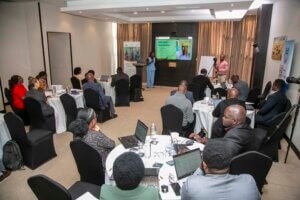
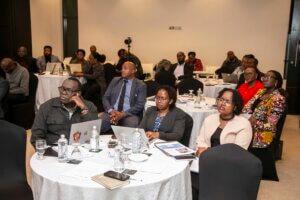
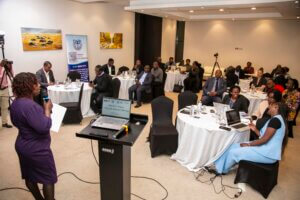
Bringing Stakeholders Together
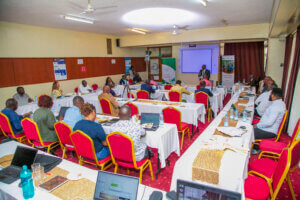
The advocacy meetings provided a platform for key stakeholders to discuss practical solutions to challenges affecting access to quality-assured medicines and pharmaceutical care within primary healthcare systems.
The Nairobi meeting brought together project partners from Kenya (CHAK), Rwanda (BUFMAR) and Tanzania (CSSC), representatives from Kenya’s Ministry of Health, the Pharmacy and Poisons Board (PPB), Kakamega County Government, Mission for Essential Drugs and Supplies (MEDS), CDC-Kenya, and the Centre for Health Research and Development (CHReaD).
In Kakamega, participants included county health leadership, representatives from the County Health Products and Technologies Unit, the Kenya Medical Supplies Authority (KEMSA), CHAK, MEDS, and EPN. The discussions reinforced the importance of collaboration between government institutions, faith-based health providers, regulators, and development partners in strengthening pharmaceutical systems.
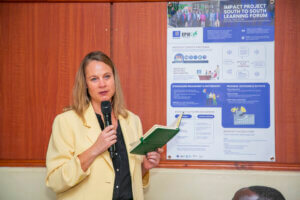
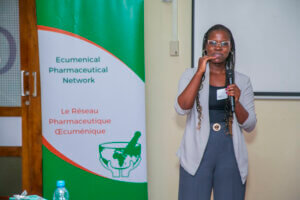
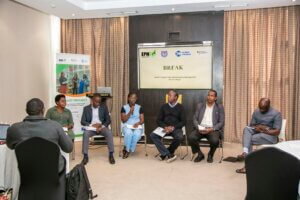
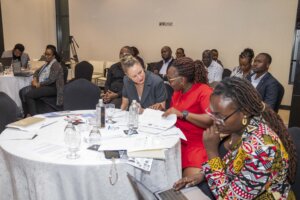
Sharing Lessons and Building Momentum
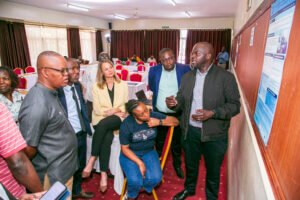
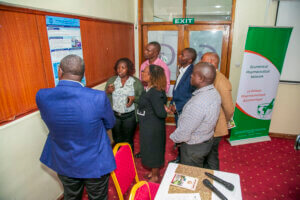
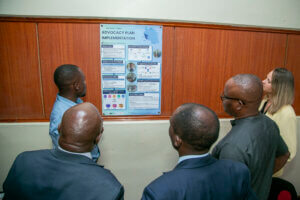
A key highlight of the meetings was a World Café session that brought together country teams from Kenya, Tanzania, and Rwanda to share experiences, lessons learned, and achievements from their advocacy efforts under the IMPACT Project. The exchange created a valuable opportunity for peer learning and highlighted how different stakeholders are addressing common challenges related to medicine availability, pharmaceutical workforce capacity, patient counselling, and access to quality pharmaceutical services. Participants also explored opportunities for scaling successful approaches and strengthening regional collaboration.
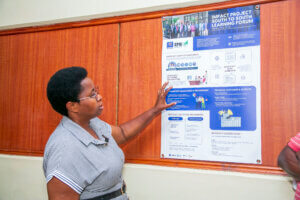
From Facility-Level Change to Policy Action
The advocacy meetings built on progress already being achieved at facility level through the IMPACT Project. Across participating health facilities, healthcare workers have implemented action plans to improve medicine management, dispensing practices, patient counselling, and pharmaceutical governance structures. Supportive supervision visits conducted earlier this year in Kakamega County documented improvements in medicine storage and organization, strengthened Medicines and Therapeutics Committees, enhanced Infection Prevention and Control systems, and the introduction of private dispensing booths to improve patient confidentiality and treatment adherence.
These facility-level improvements demonstrate how targeted capacity building can translate into better pharmaceutical care for patients. The policy dialogues provided an opportunity to connect these experiences with broader health systems discussions and identify pathways for sustainable scale-up.
A Collective Call to Action
The meetings culminated in the presentation of a Call to Action, reflecting the collective recommendations and commitments of stakeholders towards improving access to quality-assured medicines and strengthening pharmaceutical care at county, national, and regional levels. As the IMPACT Project continues to support healthcare workers, health facilities, and policymakers across Kenya, Tanzania, and Rwanda, these engagements serve as an important reminder that stronger pharmaceutical systems are built through continuous learning, collaboration, and shared commitment.
These collaborative efforts are helping to create a future where every community has access to safe, effective, and quality-assured medicines, delivered through resilient and patient-centred pharmaceutical services.